Application: IP PBX

VoIP Gateway

Asterisk was originally built as a PBX and today represents an astonishing 18% of global market for business telephone systems. The base feature set includes many of the most popular and powerful PBX functions.

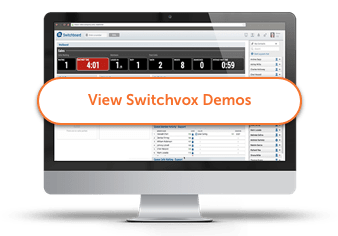
Tapping the power of Asterisk requires some knowledge of Linux, telephony, basic script programming and IP networking. For those who would rather point and click than compile and script, Digium offers Switchvox, a complete IP PBX system based on Asterisk.

VoIP Gateway

Step 1: Select Your Telephony Hardware

Telephony Card

Asterisk applications that connect with legacy telephony systems (PBXs or the PSTN) require telephony interface hardware. Small system generally use analog or ISDN BRI connections. Larger systems (more than 12 lines) frequently use T1, E1 or J1 digital connections. If you're new to telephony, check out the Asterisk telephony by clicking the "More" link below.

[More]

Step 2: Select Your Computer Hardware

Computer

Asterisk can run on virtually any modern computer, but when building a production telephony application server you should follow a few basic best-practice guidelines. Click the "More" link below to learn the basic requirements for a solid Asterisk server.

[More]

Step 3: Install Linux & Asterisk

Once you have your Asterisk hardware the next step is software. You will either need to install Linux or use a ready-to-run distribution to install Linux, Asterisk and various related software packages. Since these application tutorials are intended to help you create custom telephony applications we will start with a generic installation of CentOS 5.3 and then install Asterisk from the Yum repository. This make it relatively easy to keep Asterisk up to date and avoids the complexities of hand compiling the Asterisk source code.

[More]

Step 4: Configure Connections

Now that Asterisk is installed and running you need to edit the system configuration files to implement connections to VoIP and PSTN services. Since this step is common to all applications (Asterisk doesn't do much good if it is not connected to anything) it contains information on creating both service connections (connections to VoIP or PSTN services) and endpoint connections (connections to phones or terminal adapters). Some applications require both service and endpoint connections (PBX, ACD) while others may require only service connections.

[More]
Asterisk Has Never Looked So Good

Asterisk Forge

Support

A source code repository and collaboration tool for developing and distributing open source Asterisk-related applications, utilities and external extensions. Use the Asterisk Forge for any Asterisk-related open source project.

Top Ten Guidelines for Choosing the Best Phone System

Asterisk Training Classes

Training

Training classes are available for those looking to become Asterisk experts. For more information see the Training page.